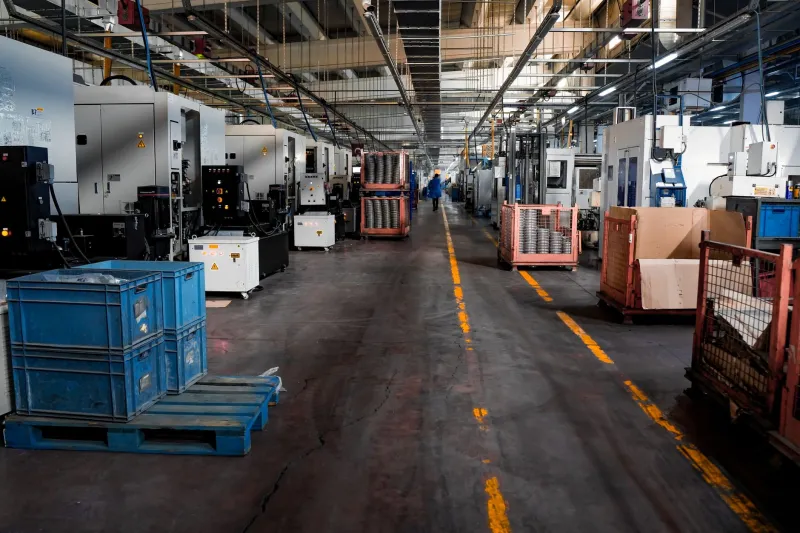
Cushioning the Cost: A Smarter Approach to Protective Packaging for Precision Parts
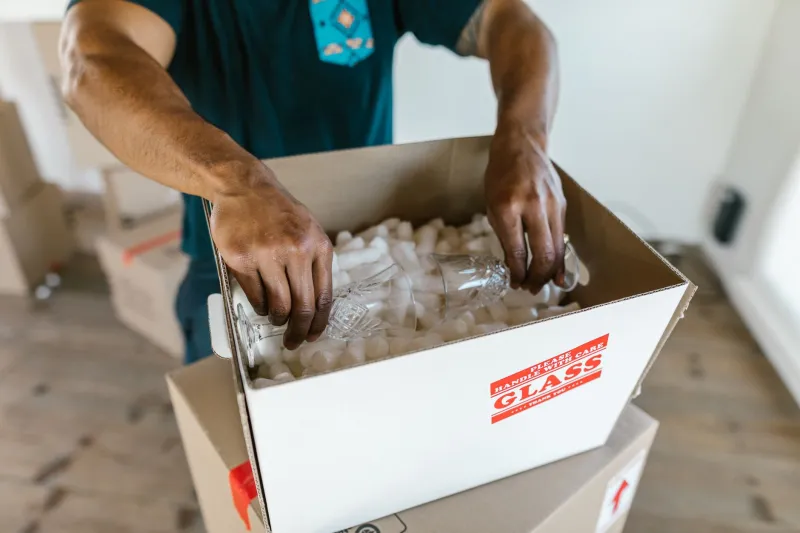
Precision manufacturing invests heavily in tight tolerances, calibrated metrology, and controlled processes. The part that leaves the shop floor may be within microns of nominal, but its journey to the customer introduces shock, vibration, humidity, handling, and temperature variation. Packaging is the risk-transfer layer between production and use. When that layer is designed by habit rather than analysis, it becomes a quiet source of cost. The packaging paradox is simple: too much protection inflates freight, material, labor, and disposal costs, while too little protection creates damage, returns, expedites, and customer friction. Neither outcome is acceptable in a competitive US market.
The Real Cost of Over-Packaging
Over-packaging is often mistaken for professionalism. Double-boxing, custom foam inserts, and generous cushioning can appear to signal care. In practice, each added layer has a cost that compounds across the supply chain.
Parcel carriers in the US bill by dimensional weight, not just actual weight. A carton that is two inches larger on each side can move into a higher billable tier even when the part is light. Custom foam and molded inserts add material cost, tooling cost, and labor time. They also increase storage footprint and complicate returns. For customers, excessive packaging creates disposal burden and can obscure inspection access. In closed-loop or lean environments, it becomes a recurring nuisance rather than a protective benefit.
The more subtle cost is false confidence. A packaging specification copied from a similar part may be more robust than the actual risk requires. Without drop, vibration, or compression testing tied to the distribution environment, over-packaging is simply an unverified assumption with a recurring invoice.
The Cost of Under-Packaging
Under-packaging is easier to recognize after a failure. A precision component that arrives with a nicked sealing surface, a distorted bore, or corrosion from condensation may be rejected at incoming inspection. The immediate cost includes replacement, expedited freight, and administrative handling. The larger cost is often invisible: line downtime at the customer, missed production schedules, chargebacks, and erosion of approved-supplier status.
Precision parts are not uniformly fragile, but they are frequently sensitive to specific hazards. A heavy housing may tolerate drops but suffer from mounting-face damage. A thin-walled sleeve may resist impact but deform under stacking load. A polished surface may be cosmetically critical but mechanically robust. Packaging must address the actual failure mode, not a generic idea of fragility.
A Risk-Based Packaging Framework
A practical packaging program starts with part and distribution characterization, not with a catalog of foam sizes.
- Characterize the part. Document mass, geometry, surface finish, tolerance class, material sensitivity, and known failure modes. Identify whether damage is cosmetic, dimensional, functional, or safety-related.
- Map the distribution environment. Distinguish parcel, less-than-truckload, dedicated fleet, and customer-routed transport. Consider the number of touches, drop heights, stacking loads, humidity, and seasonal temperature extremes across US regions.
- Define the cost of failure. Calculate the total cost of a damaged shipment, including replacement, freight, customer downtime, investigation, and relationship impact. This number sets the acceptable packaging budget.
- Design and validate. Use cushion curves, drop testing, vibration testing, and compression testing where appropriate. Standards such as ASTM D4169 and ISTA 3A provide useful protocols, but the test plan should reflect the actual route.
- Measure and adjust. Track damage claims, customer complaints, packaging cost per shipment, and dimensional weight. Review the specification when routes, carriers, or part mix change.
The objective is not minimum packaging. It is minimum total landed cost. A reusable container may be justified for a high-value part with a closed-loop route. A simpler corrugated design with a well-placed divider may outperform an elaborate foam set for a robust component. The right answer depends on evidence.
Matching Protection to Part Value
Manufacturers should segment packaging by risk rather than by department habit. Low-value, high-volume parts may warrant standardized, recyclable packaging with validated drop performance. High-value, low-volume parts may justify custom interiors, serialized tracking, and reusable containers. Critical-tolerance parts may require combination protection: mechanical cushioning, moisture barrier, and rigid support to prevent distortion.
At Sohar Industries SPC, packaging is treated as part of process control rather than a shipping afterthought. The specification is linked to part risk, route risk, and customer requirements. That discipline protects margins as effectively as it protects parts.
Packaging is not glamorous, but it sits at the intersection of quality, logistics, and customer experience. The most effective programs replace inherited assumptions with tested, cost-aware design. In precision manufacturing, protection should be engineered, not guessed.